
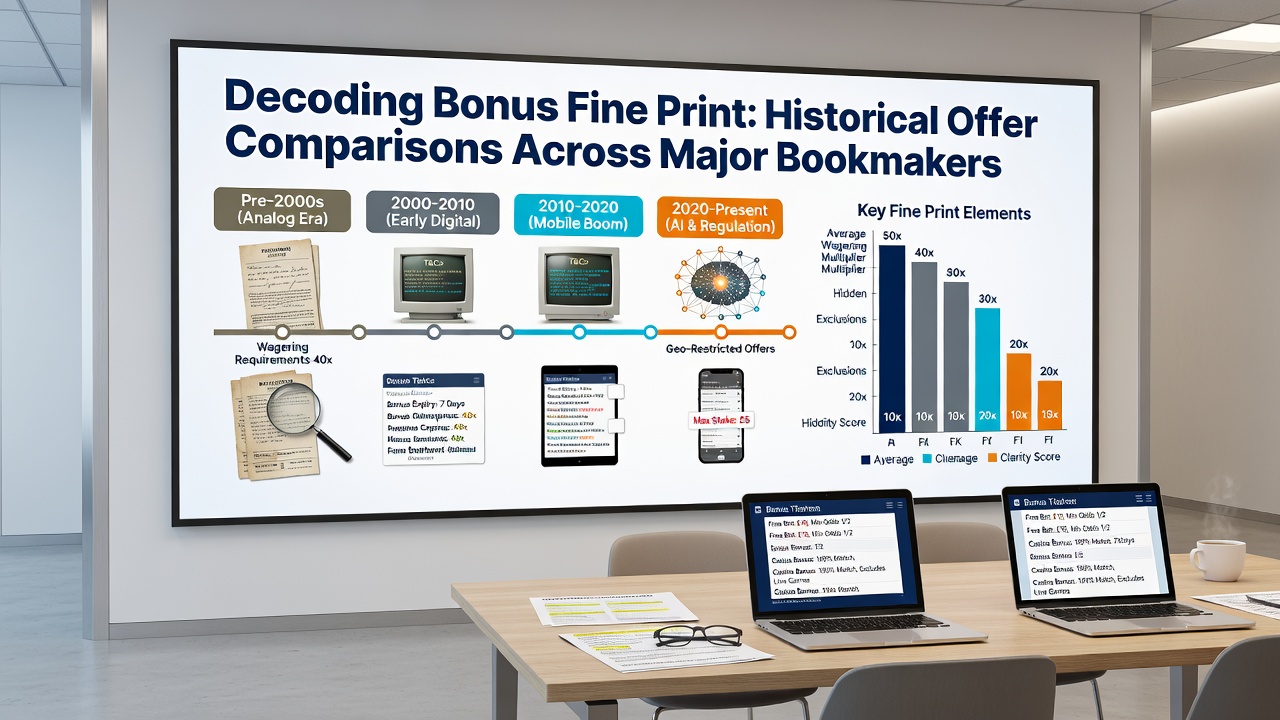
Operators have refined bonus structures over multiple years, and historical comparisons reveal patterns in wagering requirements, eligibility rules, and expiration periods that continue to shape current promotions. Data from industry reports indicate that many platforms adjusted their terms between 2020 and 2025, often increasing playthrough multiples while adding geographic restrictions that limit participation for users in certain regions.Common Elements in Bonus Fine Print
Reviewers note that deposit match offers typically include clauses on minimum deposit amounts, game contribution percentages, and maximum bet limits during the bonus period. These details have evolved since 2018 when several major platforms reduced the weighting applied to table games from 10 percent to 5 percent of wagering progress. Observers point out that time limits on bonus usage shortened from 30 days to 14 days in many cases after 2022, a shift that aligned with broader industry efforts to manage player engagement metrics.
Free bet promotions often carry separate conditions such as odds requirements and stake refund exclusions. Comparisons of offers from 2019 through 2024 show that operators introduced stake-not-returned rules more frequently after regulatory updates in multiple jurisdictions, which reduced the effective value of those incentives for certain bet types.
Shifts Observed in Major Platforms
One long-standing operator modified its welcome package in early 2023 by raising the wagering threshold from 25 times to 35 times the combined deposit and bonus amount, a change that mirrored adjustments at competitors facing similar cost pressures. Another platform introduced country-specific eligibility filters in 2024 that excluded users from select markets unless they met additional verification steps, a development that echoed earlier moves by European-based firms responding to licensing changes.
Figures from industry analyses reveal that cashback offers expanded in 2025 with net loss calculations replacing gross loss formulas at several sites, which altered payout timing and frequency. These modifications occurred around the same period when platforms began publishing clearer examples of how bonus funds convert to withdrawable cash, though the examples themselves often required careful reading to identify excluded payment methods.
Regulatory Influences on Offer Design
Changes in licensing conditions across different regions prompted operators to standardize disclosure practices by November 2026, when several platforms updated their terms pages to include interactive calculators for estimating required wagers. Reports from the European Gaming and Betting Association document that such tools appeared more consistently after 2024, coinciding with cross-border data sharing agreements that encouraged uniform presentation of bonus conditions.
Academic studies from institutions tracking gambling behavior indicate that clearer fine print correlated with modest declines in player complaints related to unexpected account restrictions between 2023 and 2025. Yet those same studies note that players who reviewed terms before claiming offers still encountered differences in how platforms handled partial completions of wagering requirements when accounts were closed voluntarily.
Comparative Data Across Years
Tables compiled by research groups comparing 2021 and 2026 offers demonstrate that average wagering multiples rose from 28 times to 38 times for matched deposits, while the proportion of offers carrying maximum cashout caps increased from 45 percent to 72 percent. These trends held across both established and newer entrants in the market, suggesting a shared response to operational costs rather than isolated decisions.
Platforms also refined rules around bonus stacking, with many prohibiting combination of welcome incentives and ongoing promotions after 2023. Historical records show that earlier allowances for multiple active bonuses often led to disputes over which terms applied first, prompting operators to implement stricter sequencing requirements documented in their updated terms of service.
Conclusion
Historical comparisons of bonus fine print across major bookmakers illustrate consistent patterns of adjustment in response to regulatory shifts, cost factors, and operational priorities. Observers who track these changes note that players benefit from examining both current and past offer structures to understand how specific clauses affect usability and payout potential over time. Data compiled through 2026 continues to support the value of such cross-period analysis for anyone evaluating promotions at leading platforms.